
What Is a Pneumatic Tube System?
A Complete Guide to How Pneumatic Tube Systems Work, Their Types, and Where They Are Used
A pneumatic tube system (PTS) — also called a pneumatic dispatch system, air tube system, or pneumatic carrier system — is a network of tubes that uses air pressure to transport cylindrical carriers from one location to another. These systems have been used for over 150 years and remain one of the most efficient ways to move small, time-sensitive items across buildings or campuses without human delivery.
Whether you have seen them in a hospital, a bank drive-through, or a large retail store, pneumatic tubes are everywhere — often invisible to the end user but critical to daily operations.
How Does a Pneumatic Tube System Work?
At its core, a pneumatic tube system works by creating a pressure differential inside a network of sealed tubes. The process involves three main components:
- Carrier: A cylindrical capsule (usually 4–12 inches in diameter) that holds the items being transported.
- Tube network: Rigid or flexible tubes (PVC, stainless steel, or polyethylene) running through walls, ceilings, or underground.
- Blower unit: A central blower or vacuum pump that creates positive pressure (push) or negative pressure (suction/vacuum) to propel the carrier.
When a sender loads a carrier into a sending station and selects the destination, the control system opens the correct valve, activates the blower, and the carrier travels through the tube at speeds of 15–25 feet per second (roughly 10–17 mph). A soft-landing receiver at the destination catches the carrier with minimal impact.
Types of Pneumatic Tube Systems
Not all pneumatic tube systems are the same. There are several types designed for different environments and load requirements.
1. Hospital Pneumatic Tube Systems
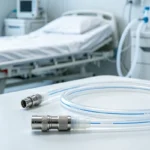
The most common application today, hospital pneumatic tube delivery systems transport blood samples, lab specimens, medications, documents, and small medical supplies between departments. Modern hospital tube systems are designed to handle fragile biological samples with soft-start/stop technology and temperature-controlled carriers to protect blood integrity during transit.
2. Bank Drive-Through Pneumatic Tube Systems
Widely recognized by consumers, bank pneumatic tube systems send cash, checks, and documents between a teller window and a customer’s car. These systems use single-station or multi-lane configurations and are built for high-frequency daily use with durable outdoor-rated components.
3. Industrial Pneumatic Tube Systems
Used in manufacturing plants, warehouses, and large logistics facilities, industrial pneumatic transport systems move parts, small tools, work orders, and invoices across large distances. These heavy-duty systems typically feature larger-diameter tubes (up to 6 inches or more) and can handle carriers weighing several pounds.
4. Retail and Grocery Pneumatic Cash Systems
Supermarkets and large retail stores use cash pneumatic tube systems to safely move money from checkout lanes to a central cash office. This reduces the need for employees to carry cash across a busy store floor, improving both security and efficiency.
Key Components of a Pneumatic Tube System
Understanding the parts of a pneumatic tube system helps when evaluating system quality and maintenance needs:
- Pneumatic tube carriers (capsules): Cylindrical containers with end caps and rubber seals that create an airtight fit inside the tube.
- Send/receive stations: The user interface where items are loaded, destinations are selected, and carriers are received.
- Diverter valves: Motorized valves that redirect the carrier to the correct tube branch at intersections.
- Blower/vacuum unit: The motor-driven pump that generates the airflow required to propel carriers.
- Control system/software: The electronic brain that manages routing, monitors system health, and logs transaction history.
Benefits of Using a Pneumatic Tube System
Organizations choose pneumatic tube transport systems for several practical reasons:
- Speed: Deliveries that would take 15–30 minutes on foot are completed in under two minutes.
- Safety: Sensitive items like blood samples or cash are transported in a closed, secure system that reduces human handling.
- Cost savings: Fewer staff trips mean lower labor costs and more time for core tasks.
- Reliability: Modern pneumatic tube systems offer 99%+ uptime with self-diagnostic software.
- Hygienic transport: In healthcare, closed carriers reduce contamination risk for biological samples.
How to Choose the Right Pneumatic Tube System
When selecting a pneumatic tube system for your facility, consider the following factors:
- Tube diameter: Standard sizes are 4-inch, 5-inch, and 6-inch. Larger diameters handle bigger or heavier carriers.
- Number of stations: Small two-station systems (point-to-point) work for simple setups; multi-zone systems serve complex buildings.
- Transaction volume: High-traffic environments need systems with priority routing and automatic queuing.
- Payload sensitivity: Medical-grade systems include low-impact landing and temperature-stable carriers.
- Building type: New construction allows built-in tube routing; retrofit systems use surface-mounted or flexible tube runs.
Pneumatic Tube System Maintenance: What to Expect
Regular maintenance is essential to keep a pneumatic tube delivery system running at peak performance. Routine tasks include cleaning tube interiors to prevent debris buildup, inspecting carrier seals (O-rings) for wear, lubricating diverter valves, checking blower motor belt tension, and reviewing software logs for error patterns. Most manufacturers recommend a full service check every six to twelve months, with a monthly visual inspection by on-site staff.
Frequently Asked Questions About Pneumatic Tubes
Are pneumatic tube systems still used today?
Yes. Hospitals, banks, retail chains, and industrial facilities around the world rely on pneumatic tube networks every day. The technology has evolved significantly with digital controls and modern materials, making it more reliable and efficient than ever.
What can you send in a pneumatic tube?
Common items include lab specimens, medications, cash, documents, small parts, and mail. Items that are liquid (without sealed containers), oversized, or extremely fragile are generally not suitable for pneumatic transport without special carriers.
How fast does a pneumatic tube travel?
Most pneumatic tube systems operate at 15 to 25 feet per second (approximately 10–17 mph). Medical systems often run at lower speeds (around 8–10 fps) to protect fragile samples.
Conclusion
A pneumatic tube system is a proven, efficient solution for fast and secure internal transport. From hospital pneumatic tube systems carrying critical specimens to bank pneumatic tube stations serving customers, these systems save time, reduce labor costs, and improve safety across many industries. As buildings grow larger and workflow demands increase, pneumatic tube transport remains one of the most cost-effective infrastructure investments an organization can make.
Whether you are evaluating a new installation, upgrading an outdated pneumatic carrier system, or simply curious about how air tube systems work — understanding the basics puts you in a much better position to make informed decisions.